Incident Over Poland: Why a Swedish Fighter Jet Failed to Down a Russian Missile
A Swedish Gripen pilot patrolling Polish airspace was authorized to shoot down a Russian X-101 cruise missile but was unable to do so due to severe weather conditions.
 🏙️City
Photo: Ukrainska Pravda
Key points
- A Swedish Gripen pilot received a NATO 'condition-based order' to engage a Russian missile.
- Severe weather prevented the pilot from identifying the target visually or electronically.
- Polish and Swedish forces utilized Ukrainian 'Virazh' system data to track 11 aerial threats.
During a significant breach of Polish airspace on Friday, a Swedish Gripen fighter pilot was authorized to neutralize a Russian cruise missile. Despite having the necessary clearance to engage from NATO command, the interception failed due to environmental factors. This incident highlights the persistent challenges faced by air defense systems even when utilizing state-of-the-art military technology in protected airspace.
NATO Decision-Making Protocols
The mission was directed by the NATO Combined Air Operations Centre (CAOC) in Uedem, Germany. The pilots were operating under a "condition-based order," a protocol that empowers individual pilots to make the final decision to fire upon a target if specific threat criteria are met. This decentralization is designed to ensure rapid response times during high-stakes aerial incursions without waiting for higher-level confirmation.
The Impact of Weather on Identification
General Ireneusz Nowak, Operational Commander of the Polish Armed Forces, explained that the Swedish pilot attempted to intercept what was believed to be a Russian Kh-101 cruise missile. However, "extremely difficult atmospheric conditions" prevented both visual and optoelectronic identification. Without a positive ID, the pilot adhered to safety regulations and refrained from firing to avoid the risk of hitting unintended targets.
Military protocols strictly forbid the use of kinetic force unless the target is definitively identified as hostile. This precaution is vital to prevent tragic accidents involving civilian aircraft or friendly assets. Consequently, the missile remained airborne despite the tactical opportunity to destroy it. In total, 11 objects were tracked that day, with three crossing into Polish territory.
The defensive operation involved a coalition of two Polish F-16s and two Swedish Gripens, supported by a Saab 340 early warning aircraft. A key element of the response was the real-time data provided by Ukraine through the "Virazh" system. This intelligence sharing allowed Polish forces to track the launch points and flight paths of potential threats. Debris from the objects was later discovered in the Lublin and Podkarpackie regions.
Source Ukrainska Pravda — pravda.com.ua/news/2026/11/21/8063930/ ↗
Read next
 🚌Transport
Belgian Airspace to Close Due to Nationwide Air Traffic Controllers' Strike
On Monday, the airspace over Belgium will be completely closed due to an air traffic controllers' strike against austerity measures, leading to hundreds of cancelled flig…
 🚨Events
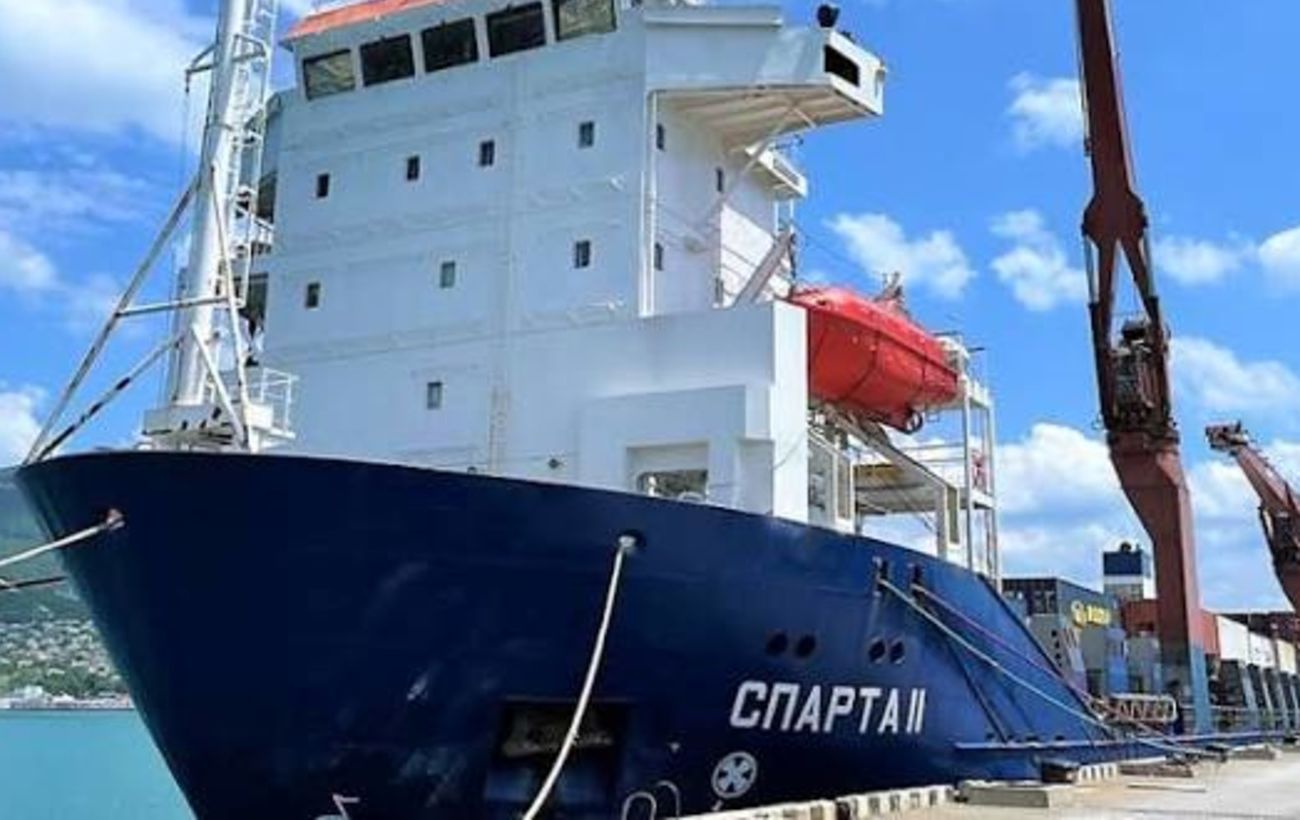
Russian Vessel Sparta II Continues to Burn in Gulf of Finland Following Drone Attack
Firefighting operations continue in Finnish territorial waters aboard the Russian cargo ship Sparta II, which was struck by Ukrainian drones on November 21.
 🚨Events
How to Make Terry Towels Soft Again: A Simple Home Laundry Trick
Terry towels eventually lose their softness due to hard water and detergent buildup. A simple two-step method using regular salt and citric acid can restore the fabric.
 🚨Events
Strike on Dymer in Kyiv Region: Search for Missing People Under Rubble After Night Attack
A night enemy attack on the town of Dymer in the Vyshhorod district caused the destruction of an apartment building entrance. Fourteen residents are currently out of reac…
 🚨Events
The Philosophy of Restoration: How Daily Maintenance and Environmental Shifts Shape New Realities
Experts focus on the culture of infrastructure repair and recovery, which is critical for the daily survival and resilience of Ukrainian communities amidst ongoing challe…
 🚨Events
Ukrainian Theatre Tours in Europe: Challenges, Emotions, and Behind-the-Scenes Realities
Producer Serhii Chudaiev shares insights on organizing Ukrainian theatrical tours abroad, audience reactions, and logistical hurdles.