Winter by Folk Omens: How Ancient Forecasts Differ from Scientific Predictions
A comparison between ancient meteorological beliefs and modern scientific weather forecasts sparks discussions among residents ahead of the cold season.
 👥Society
Photo: UNIAN
Key points
- Ancient calendars predict a cold and dry winter
- Scientists estimate the accuracy of most old omens as very low
- Modern meteorologists forecast milder and wetter weather conditions
As the winter season approaches, the question of what the upcoming months will look like traditionally concerns many citizens. Special attention is often paid to both modern synoptic models and ancient folk omens passed down through generations. In particular, researchers have examined an old Hungarian collection titled 'The Centenarian Herald', published back in 1851, which offered its own warnings regarding winter weather.
What Ancient Calendars and Modern Science Say
According to the historical publication, which was based on the observations of German Abbot Mauricius Knauer, the current period is associated with the year of Mercury and supposedly heralds a dry and cold winter. However, specialists note that most such omens have a very low statistical probability of coming true — around five percent accuracy, which is barely different from random chance. At the same time, modern meteorologists provide quite different forecasts based on global climatic factors and natural phenomena such as El Niño, which typically bring milder and wetter weather.
For local residents, such weather discussions hold both theoretical and practical significance. Gardeners and homeowners always pay close attention to precipitation levels and soil conditions during winter, as these factors affect future yields. Although ancient dates, such as the feast days of Saint Albert or Saint Elizabeth, were traditionally considered indicators of upcoming cold snaps, experts advise relying on verified scientific data instead.
Source UNIAN — unian.ua/pogoda/news/zima-2026-2027-chi-bude-vona-holodnoyu-i-suhoy… ↗
Read next
 🛡️Security
EU Ambassador to Ukraine Katarína Mathernová witnesses drone shootdown in Kyiv
The EU diplomat narrowly escaped danger during a Russian UAV attack in the capital's center on November 19.
 🛡️Security
Deployment of European Ruta Block 1 missiles in operation against Crimean Bridge
Ukraine has utilized Dutch-made Ruta Block 1 cruise missiles to strike the Crimean Bridge, marking a significant milestone in the involvement of European defense technolo…
 🛡️Security
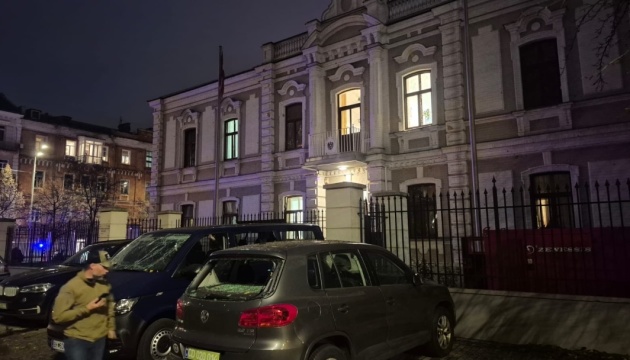
Austrian Embassy in Kyiv damaged by Russian attack
Ukrainian Foreign Minister Andrii Sybiha reported that the Austrian Embassy building was damaged during a recent Russian strike on the capital.
 🚨Events
Two men to face trial in Zhytomyr for brutal torture of a young woman
The prosecutor's office has filed an indictment against two Zhytomyr residents accused of torturing an 18-year-old acquaintance with a gas torch.
 🧠AI Analysis
Shenzhen Summit Outcomes: Geopolitical Implications for Ukraine and the World
The first trilateral meeting between the leaders of the USA, Russia, and China took place in Shenzhen, focusing on global security issues without Ukraine's involvement.
 🛡️Security
UK and Norway to fund new combat boats for Ukraine
The governments of the UK and Norway are investing over £100 million to build two modern combat boats for the Ukrainian Navy.